
 What A Mobile Patrol Check Should Include
 Construction Site Security: Where To Start
Security Knowledge
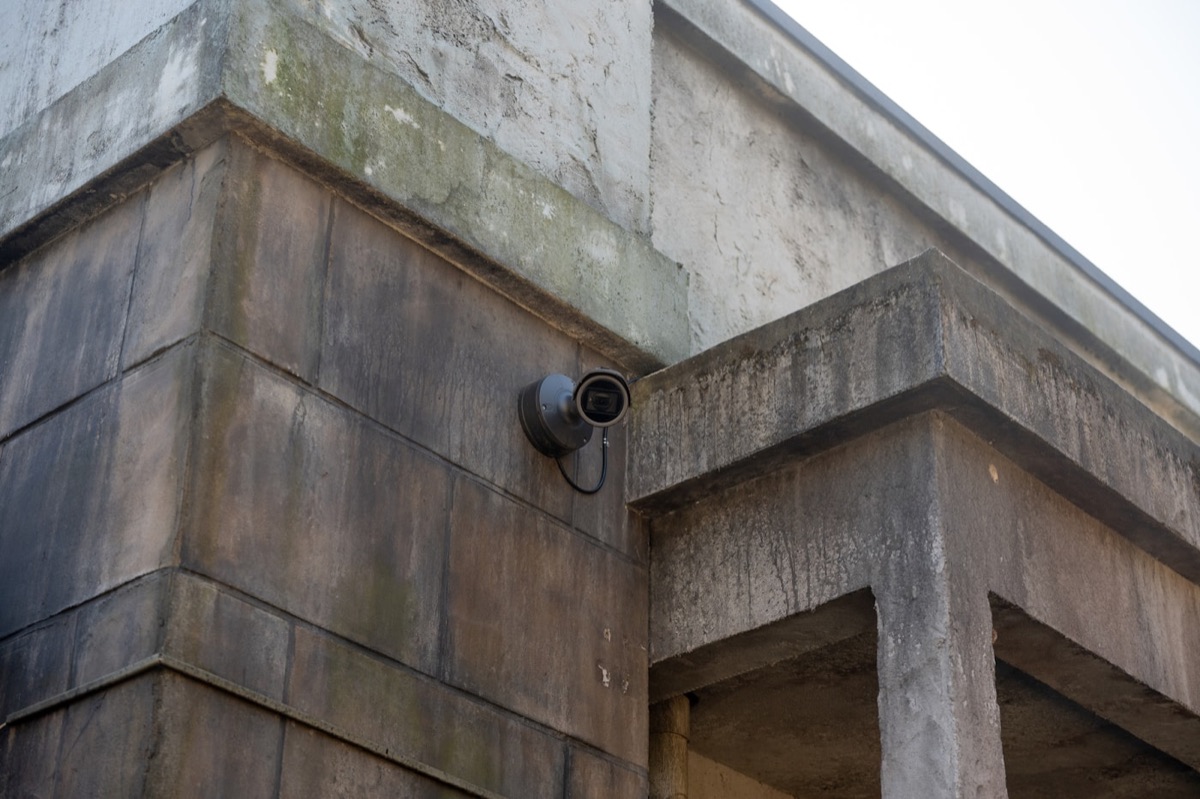
Camera Monitoring Is Only Useful With Response
Remote visibility matters most when it is connected to dispatch, property contacts, and incident notes.
Decide What Counts As Actionable
Not every movement deserves a call. Monitoring works better when a client defines the events that require action, such as after-hours entry, loitering, gate activity, or restricted-area movement.
Connect Monitoring To People
A camera alert needs a contact path. That may include a supervisor, property manager, patrol guard, emergency contact, or police depending on the event.
Close The Loop
After a response, someone should record what happened. A short note with time, location, event type, and action taken makes monitoring accountable.
Turn The Checklist Into Daily Practice
A useful security plan should be easy for staff, guards, and managers to follow during normal operations. For camera monitoring is only useful with response, write down the locations that matter, the events that require action, the people who should be contacted, and the details that must appear in a report. Clear instructions make every shift more consistent and give property teams better information when they review incidents later.
Know When To Bring In Support
Outside security support becomes important when risks repeat, internal staff are stretched, or incidents happen outside regular business hours. Eagle Security helps Saskatchewan property teams turn those concerns into practical guard coverage, patrol schedules, access routines, camera response steps, and reporting expectations that can be reviewed and improved over time.